
Backcountry Vendor
How to Sell Outerwear Products to Retailers Like Backcountry: A Complete Guide for Brands
Breaking into the retail world with an outerwear or outdoor product can be incredibly rewarding—but it also comes with unique challenges. If you’ve ever considered selling your products through a specialty outdoor retailer like Backcountry, understanding the landscape is essential before you start pitching.
Outerwear has come a long way from just being about keeping us warm and dry. Nowadays, it’s all about combining style, top-notch performance, and a certain lifestyle vibe. Whether you’re looking at high-end gear that’s packed with cutting-edge tech or more affordable athleisure wear, the outerwear market is exploding – and it’s getting super competitive.
This guide will walk you through how to position your outerwear brand, choose the right retail strategy, and successfully approach retailers like Backcountry.
Understanding the Outerwear Market Today at Retailers such as Backcountry
Outerwear has come a long way from just being about basic jackets and cold-weather gear. These days, it’s a whole lot more than that. You can find all sorts of products, like:
Performance apparel for outdoor sports
Athleisure and workout clothing
Technical gear for hiking, camping, and skiing
Lifestyle-driven fashion pieces
Companies like Lululemon have really changed the game. They’ve made it so that the clothes you wear to work out are also super stylish and can be worn just to run errands or hang out. This has made outerwear way more fashionable and something that people actually want to wear all the time, not just when they’re being active.
As a result, consumers now expect:
High performance
Modern design
Comfort and versatility
Strong brand identity
This change brings new chances, but it also means brands have to think carefully and come up with smart plans to succeed.
Why Selling to Backcountry Is Different
Backcountry isn’t your average store – it’s a specialty outdoor company that focuses on a specific group of people who love spending time outside and want the best equipment possible. They cater to folks who are really into outdoor activities and expect top-notch gear to help them make the most of their adventures.
This means:
Your product must meet performance expectations
Your branding must align with outdoor culture
Your pricing must reflect perceived value
Unlike mass retailers, Backcountry customers are often more educated about products. They compare features, materials, and performance before making a purchase.
So, if you’re targeting Backcountry, your product needs to stand out in both functionality and storytelling.
The First Big Decision: High-End vs. Low-Cost Strategy
One of the most important decisions you’ll make as an outerwear brand is where you position yourself in the market.
1. High-End (Premium) Strategy
If you choose to go premium:
You’ll target specialty retailers and department stores
Your product must have strong design and innovation
Branding becomes critical
Margins are higher, but volume is lower
This is often the path for brands that want to build recognition and prestige.
However, there are trade-offs:
Fewer retailers can afford your product
Longer sales cycles
Higher expectations from buyers
Retailers in this category expect a polished, fully developed brand—not just a product.
2. Low-Cost (Volume) Strategy
If you go the more affordable route:
You can sell to mass and discount retailers
You’ll move higher volumes
Margins per unit are lower
Branding may be less visible
Retailers like Target or discount chains prioritize:
Competitive pricing
Fast-moving inventory
Broad consumer appeal
This approach can actually result in more money coming in, since big stores purchase huge amounts of products.
Choosing the Right Path for Your Brand
Your decision between premium and budget isn’t just about pricing—it’s about your goals.
Ask yourself:
Do you want to build a recognizable brand?
Or do you want to maximize revenue quickly?
Are you willing to invest in branding and design?
Or do you prefer scaling through volume?
There’s no right or wrong answer—only what aligns with your vision.
Some business owners dream of having their products showcased in upscale stores, which can really boost their brand’s reputation and make it more prestigious. On the other hand, there are those who are more focused on making a steady, big profit – for them, it’s all about generating consistent revenue on a large scale.
Both paths can be successful—but they require very different strategies.
The Reality of Discount Retail
If you choose the lower-cost route, there are some important things to understand.
Many discount retailers:
Sell high volumes
May not prominently feature your brand name
Focus more on price than brand story
Sometimes, products can also end up in discount stores like Nordstrom Rack, usually when they’re no longer being made or when there’s just too much of them in stock.
This doesn’t mean your product isn’t successful—it’s simply part of the retail lifecycle.
But if having a brand that people know and trust is a big deal for you, then this way of doing things might not be the best fit.
Why Trends Matter in Outerwear
Outerwear is one of the most trend-driven categories in retail.
To stay competitive, your product should align with current market trends such as:
Sustainable and eco-friendly materials
Multi-functional designs
Lightweight technical fabrics
Smart clothing and wearable tech
Fashion-forward silhouettes
Outdoor activities like hiking, camping, and fitness continue to grow in popularity, creating ongoing demand for innovative products.
Retail buyers are always looking for:
What’s new
What’s different
What will excite customers
If your product doesn’t feel current, it will be much harder to sell.
Building a Retail-Ready Brand
Before approaching a retailer like Backcountry, your brand needs to be fully developed.
This includes:
1. Strong Visual Identity
Your product and packaging should look polished and professional.
2. Clear Positioning
Buyers need to instantly understand:
Who your product is for
What problem it solves
Why it’s unique
3. Compelling Story
Especially in outdoor retail, storytelling matters.
Customers connect with brands that:
Represent adventure
Align with their lifestyle
Reflect their values
Crafting a Winning Retail Pitch
When pitching to retailers, your presentation can make or break the deal.
Your pitch should clearly communicate:
Product benefits and features
Target audience
Price point and margins
Sales potential
Competitive advantage
If you’re going premium, your pitch needs to feel elevated and design-driven.
If you’re going budget, your pitch should emphasize:
Volume potential
Competitive pricing
Proven demand
Understanding Sales Volume vs. Brand Recognition
A key trade-off in retail is:
Volume vs. visibility
High-end brands → Lower volume, higher recognition
Discount brands → Higher volume, lower recognition
Neither is inherently better—it depends on your goals.
Some entrepreneurs prefer to stay behind the scenes, generating strong revenue without building a public-facing brand.
Others want their name recognized and associated with quality and design.
Understanding this trade-off will help you make better strategic decisions.
How Much Money Can You Really Make?
One surprising reality is that discount retail can often generate more total revenue than high-end retail.
Why?
Because large retailers place massive orders when they believe in a product.
If your product performs well, you could receive:
Large repeat orders
Nationwide distribution
Long-term retail relationships
However, success requires:
Reliable production
Strong supply chain management
Consistent quality
The Importance of Speed and Execution
Retail success isn’t just about having a great idea—it’s about execution.
You need to:
Move quickly
Adapt to feedback
Stay ahead of trends
Continuously improve your product
The faster you can refine your strategy and approach retailers, the sooner you can start generating revenue.
Common Mistakes to Avoid
Many outerwear brands struggle because they:
Don’t choose a clear pricing strategy
Try to target every retailer at once
Ignore branding and presentation
Fail to follow trends
Underestimate the importance of their pitch
Avoiding these mistakes will dramatically increase your chances of success.
Final Thoughts: Building a Scalable Outerwear Business with Backcountry
Selling outerwear products to retailers like Backcountry is absolutely achievable—but it requires clarity, strategy, and execution.
To succeed, you need to:
Choose your market position (premium vs. budget)
Build a strong, retail-ready brand
Stay aligned with trends
Craft a compelling pitch
Target the right retailers
Most importantly, you need to decide what kind of business you want to build.
Do you want prestige and brand recognition?
Or do you want scale and high-volume revenue?
Once you answer that question, your path becomes much clearer.
Key Takeaway
Success in retail isn’t about chasing every opportunity—it’s about choosing the right strategy and executing it well.
Whether you aim to sell through Backcountry or expand into other retail channels, the brands that win are the ones that stay focused, adaptable, and intentional.
If you approach the outerwear market with the right mindset and strategy, you can turn your product into a thriving retail business.
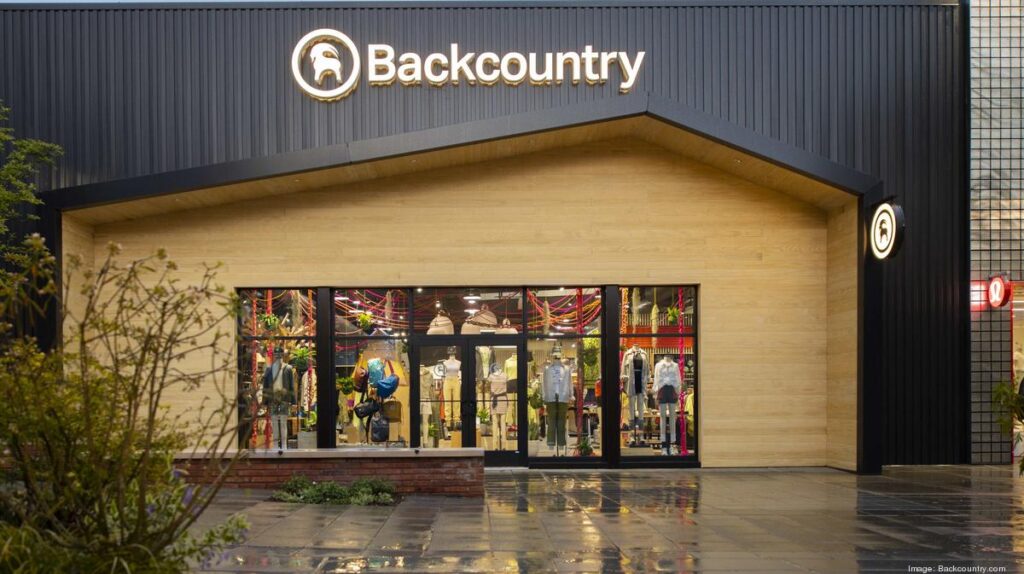
How to Sell to Back Country Stores and Become a Back Country Vendor
Imagine shopping online for outdoor gear and being guided through your experience by an attentive, thoughtful customer service rep who anticipates all your needs – this isn’t fantasy; this is core to Backcountry’s approach to customer care.
Gearhead team of the company leads the industry with its combination of service and selling that creates meaningful connections proactively.
1. Know Your Product
Backcountry offers outdoor gear and apparel designed for various outdoor adventures, such as biking, skiing, snowboarding, climbing, fly fishing and hiking. Their products cater to recreational outdoorsmen and women who enjoy spending their free time outside. Their sales team understands their specialized products well so that they can connect with customers in an authentic manner.
Backcountry stands apart from its online retailer counterparts by focusing on creating an exceptional customer experience. Their personalized service begins with their well-known Gearheads who can be reached via phone, text message, email and social media; their employees share their passion for outdoor gear to build trust among customers while employees share personal stories to establish deeper bonds with clients.
Backcountry provides more than just customer service – they also provide educational resources. Their Explore Center features articles, videos, trip plans and other content to help adventurers plan and execute their next trip. In addition, Detours allows customers to connect with local guides for an unforgettable experience.
Backcountry understands the significance of ethical product sourcing. Third-party product vendors must certify that no forced, indentured, or uncompensated labor was used during production or packaging of their goods; additionally, Backcountry reserves its right to conduct independent third-party audits on vendor supply chains.
Backcountry used SugarCRM to implement progressive profiling and other sales tools that enable their representatives to better serve their customers, such as informed recommendations based on each individual customer’s unique needs. As a result, Backcountry can deliver higher-value interactions.
2. Have a Website
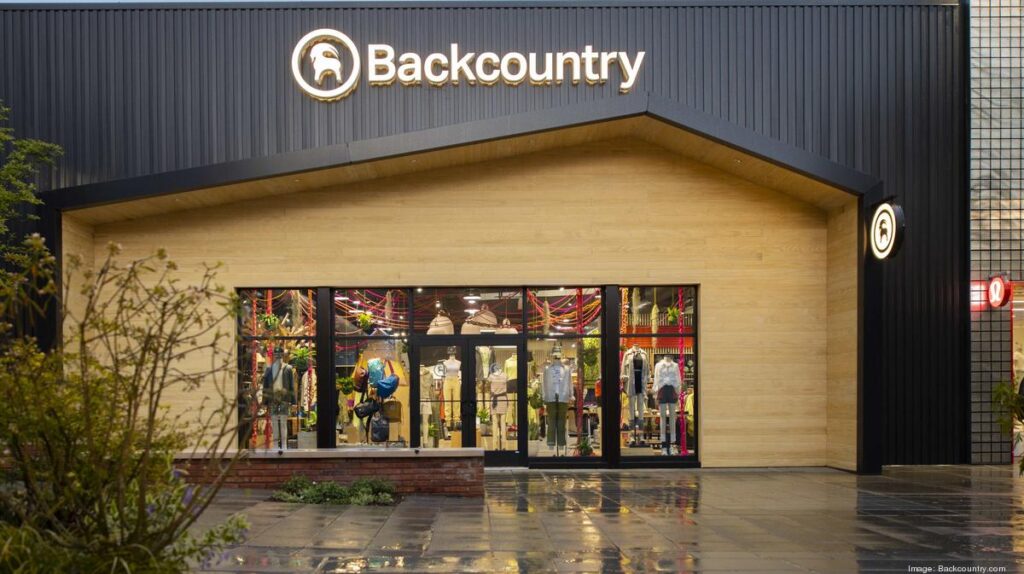
Backcountry is a premier outdoor gear retailer and online store, recently opening physical locations as shopping destinations and community gathering places. Partnering with Oracle Retail to implement Xstore Point-of-Service into their stores to provide customers with assistance they require and all of the information necessary for informed purchasing decisions, Backcountry has become known for its activism supporting making nature accessible for everyone and is widely recognized for being inclusive – find out more here.
Signify your agreement to receive regular promotional and personalized marketing text messages from Backcountry at the mobile number you provide, with message frequency varying and text and data rates possibly applying.
3. Have a Social Media Presence
Imagine shopping for outdoor gear and clothing with the assistance of an amazing customer service rep who anticipates all your needs, creates genuine relationships, and left such an indelible mark that years later you invited her to your wedding! That is the kind of experience Backcountry is famous for offering, which has been integral to their business model for 25 years.
Backcountry stands out in an age of impersonal online transactions by its dedication to exceptional customer service. Their stores serve both as retail destinations and gathering spots for outdoor enthusiasts, acting as trusted sources of information about outdoor pursuits – plus they utilize Oracle Retail Xstore Point-of-Service so their retail associates can provide tailored experiences for customers. Their brand’s key tenet is inclusiveness – this includes mandating third-party vendors certify that none of their products utilize forced, indentured, involuntary prison or uncompensated labor practices when applicable.
4. Have an Email List
Backcountry sells outdoor gear to an enthusiastic community of outdoor enthusiasts. Their one-on-one Gearhead expertise creates an incomparable shopping experience; customers can select their gear from top brands in skis, snowboards, camping, hiking, fly fishing, climbing and apres skiing gear as well as their own custom designs in collaboration with trusted manufacturers like GORE-TEX, Pertex and ALLIED Down.
As companies expand, they must meet customer expectations while providing an outstanding experience across all touch points. SugarCRM equips sales teams with intelligent tools that personalize and automate every interaction for better customer engagement.
Imagine an online shopping experience where instead of browsing products alone, you are guided by an exceptional customer service representative who anticipates your needs and builds genuine connections that years later result in you being invited to their wedding! That is exactly the experience Backcountry strives for with its customer interactions – one reason they have become beloved brands within outdoor sports industry.
Backcountry has invested in an advanced CRM platform to ensure they fulfill their mission as an ecommerce retailer, building an effective email list to deliver relevant messaging at just the right time – whether that means welcoming new subscribers with relevant product recommendations and content or keeping existing relationships going with cadences that reflect lifestyle and interests. They even utilize AI technology to keep their list clean by eliminating dead emails while remaining compliant with GDPR regulations for outdoor gear enthusiasts.
5. Have a Sales Team
Imagine shopping online where, instead of being left to sort through thousands of products on your own, your experience was guided by an attentive customer service rep who anticipates and met all your needs – such that her service felt personalized and authentic enough that years later you invited her as part of your guest list for your wedding! That is exactly the experience Backcountry customers receive.
Purkey began his retail career at age 17, beginning as a call center representative at Guitar Center before going on to manage contact centers for multiple retailers and eventually Backcountry. Through these early experiences he developed an in-depth knowledge of what it takes to connect with people through speciality retailing. Having made progress quickly with Guitar Center, Purkey moved onto other retailers before finally landing Backcountry as the sole provider.
Every Backcountry store is designed to serve more than just as a retail outlet; they serve as community hubs for outdoor enthusiasts. Palo Alto and Washington D.C. locations utilize a blend of local outdoor expertise with data-driven insights in order to curate product offerings tailored specifically towards each area’s top pursuits.
Backcountry offers Detours as a service that connects customers with experienced guides in the region, believing this to be the optimal method to equipping customers with skills, knowledge and confidence necessary for safely enjoying nature.
Retailers know it’s vitally important to have an effective sales team capable of meeting customer demands. Kylas can help streamline this process and boost team productivity. Be sure to assign clear roles and responsibilities for every member of your sales team, so there won’t be any miscommunication when meeting customers needs.
Here a are a few blogs that may interest you!
1. Product Distributors – How to Work with Distributors!
Step-by-step training on how to sell to retail chains!
We explain exactly how to do that and how to get started today. I’ve taught over 100,000 of companies over the years across the globe on how to get your products to the stores. And so we’re here to support you. Or please subscribe to our Youtube channel and or be on the lookout for additional training that we create.
We are here to expedite the process of generating revenue with your physical products and that’s what we’re all about. Take a look at our advanced training, live events, certification programs and so much more.
In this training, I will discuss some of the things to think about when approaching a retailer to sell your products and become a vendor. Hope it helps! 🙂
Karen Waksman,
Retail MBA
Questions? Contact Us!
1-415-404-9540 (Call or Text)
Email: info@retailmba.com
Retail MBA provides a step-by-step formula on How to Sell to Major Retailers, Online Retailers, Smaller Retailers, Catalogs and More. No Experience Required! These solutions continue to convert for clients year-over-year! These are Time-Tested and Proven Strategies that we utilize ourselves when going after stores! Everything we teach, we test. Want access to these formulas? ANY one of our programs and coaching systems gives you access to them now. With that said…
Here are 5 Easy Ways to Work with Us:
1) Free Training – If You Would Like to Join Our Next FREE Webinar Training Called “Retail Chain Store Secrets – How to Sell to Major Retail Chains. No Experience Required” Then Sign Up NOW To Learn All About Selling into Retail Chains By Clicking Here!
2) Retail MBA Year Long Coaching and Training System – Our YEAR LONG COACHING System with Karen Waksman is POWERFUL! This is our most popular training and coaching system! We walk you through how to approach, pitch and sell to retail chains and we coach you along the way! Join us by Clicking Here!
3) Masterclass Intensives – Want to Join our Next 4 Week Elite Retail MBA Masterclass Intensive? These Intensives Are EPIC for people who Love Fast Paced Learning – Homework, Retail Coaching, Developing Your Strategy, Buyers Contacts and More! These Events Are Held Every Quarter. Join us by Clicking Here!
4) Done-for-You Program – If You Want Karen Waksman and Her Team to Reach Out to Your Top Dream Retail Chains On Your Behalf – And You Have a Retail-Ready Product, Check Out our Epic Done-For-You Service by Clicking Here!
5) LIVE Matchmaking Events with Retail Buyers – If You Want to Participate in our Next Buyer Matchmaking Event and Meet Karen Waksman at “Retail MBA LIVE” with Other Like-Minded Individuals, We Would LOVE to Have You Join Us by Clicking Here! We Partner with the World’s Largest Retailers to Showcase Your Product!
Check Out Our Additional Blog Posts Here:


Bergdorf Goodman Vendor
Bergdorf Goodman Vendor – How to Sell to Bergdorf Goodman Stores!



Biggest Online Retailers
Biggest Online Retailers – How to Sell to the Biggest Online Retailers
